
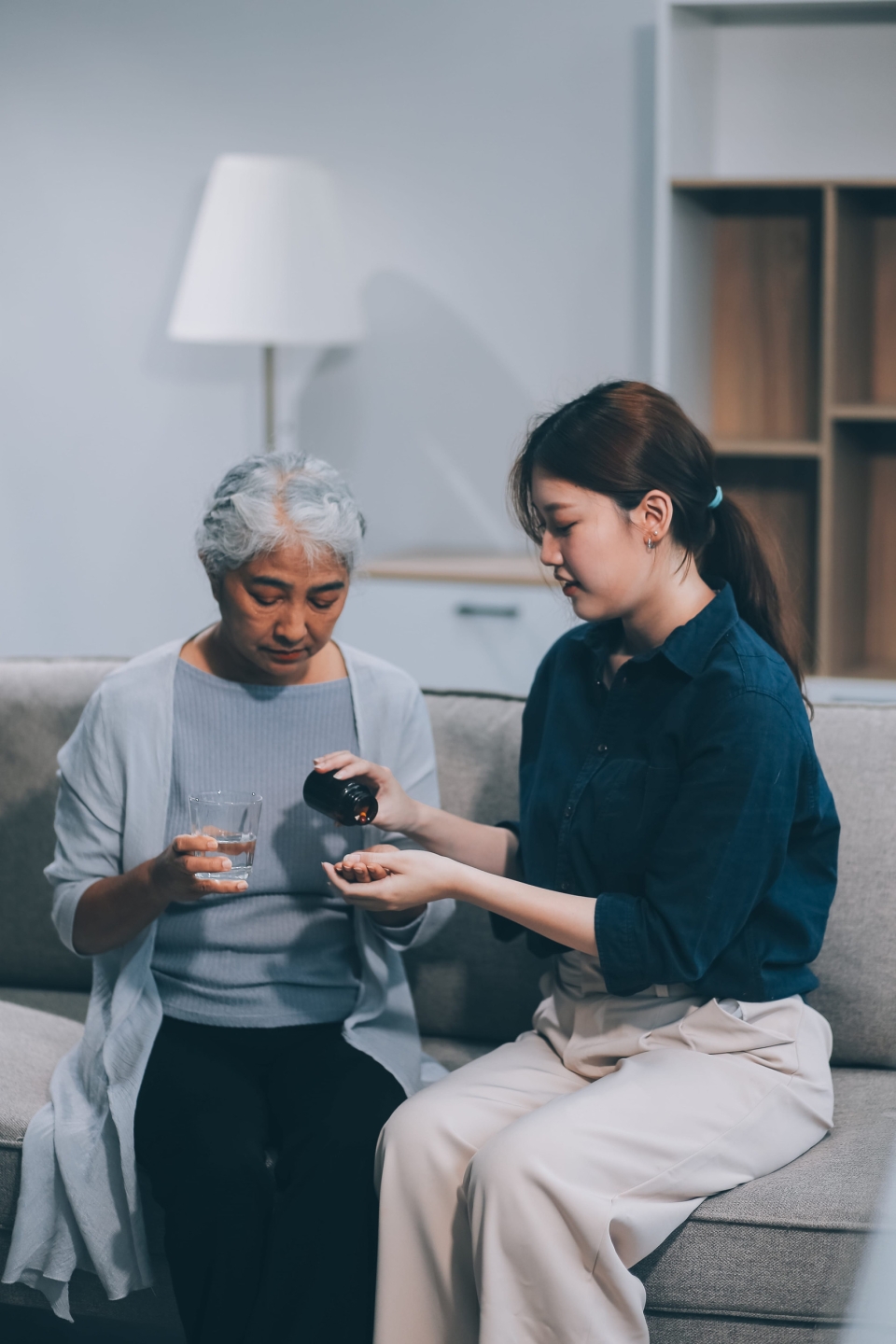
Concord, NH — Granite State family caregivers now provide $4.4 million worth of labor each year, according to a new AARP report. Most of this work is unpaid, yet it forms the backbone of the nation’s long-term care system that is essential to helping millions of older adults live independently at home.
“Family caregivers are a major economic force that fill critical gaps in our health care system.” says AARP NH State Director Christina FitzPatrick. “The economic value they provide now exceeds $4.4 million annually, yet this care often comes at significant cost to caregivers’ health and financial security, and well-being. AARP is elevating this important issue and fighting to save family caregivers time and money.”
Key Findings
- In NH, 280,000 are caregivers of adults, providing care for older parents, spouses, neighbors, and other loved ones, contributing 200 million hours of care annually, work that would be valued at $4.4 million per year if paid in the marketplace, based on a value of $21.83 per hour.
- Across states, the estimated value of caregiving ranges from $14.12 per hour in Louisiana to $27.05 per hour in Washington, reflecting regional differences in wages and the cost of care.
National Findings:
- 59 million Americans are caregivers of adults, providing care for older parents, spouses, neighbors, and other loved ones, contributing 49.5 billion hours of care annually, work that would be valued at $1.01 trillion per year if paid in the marketplace, based on a value of $20.41 per hour.
- The 49.5 billion hours of care provided each year is the equivalent of nearly 24 million full-time workers, roughly 17% of the entire U.S. full-time workforce.
- The value of family caregiving exceeds total federal, state, and local Medicaid spending nationwide, and almost doubles all out-of-pocket health care spending.
Caregiving has become more demanding and complex as chronic illnesses rise and more care shifts into homes. Family caregivers are spending more time providing care, averaging 27 hours each week. More than half, 57%, now provide high-intensity care meaning; they spend more hours helping with daily tasks like bathing and dressing as well as complex medical and nursing tasks like wound care and administering injections.
Read the full report here.