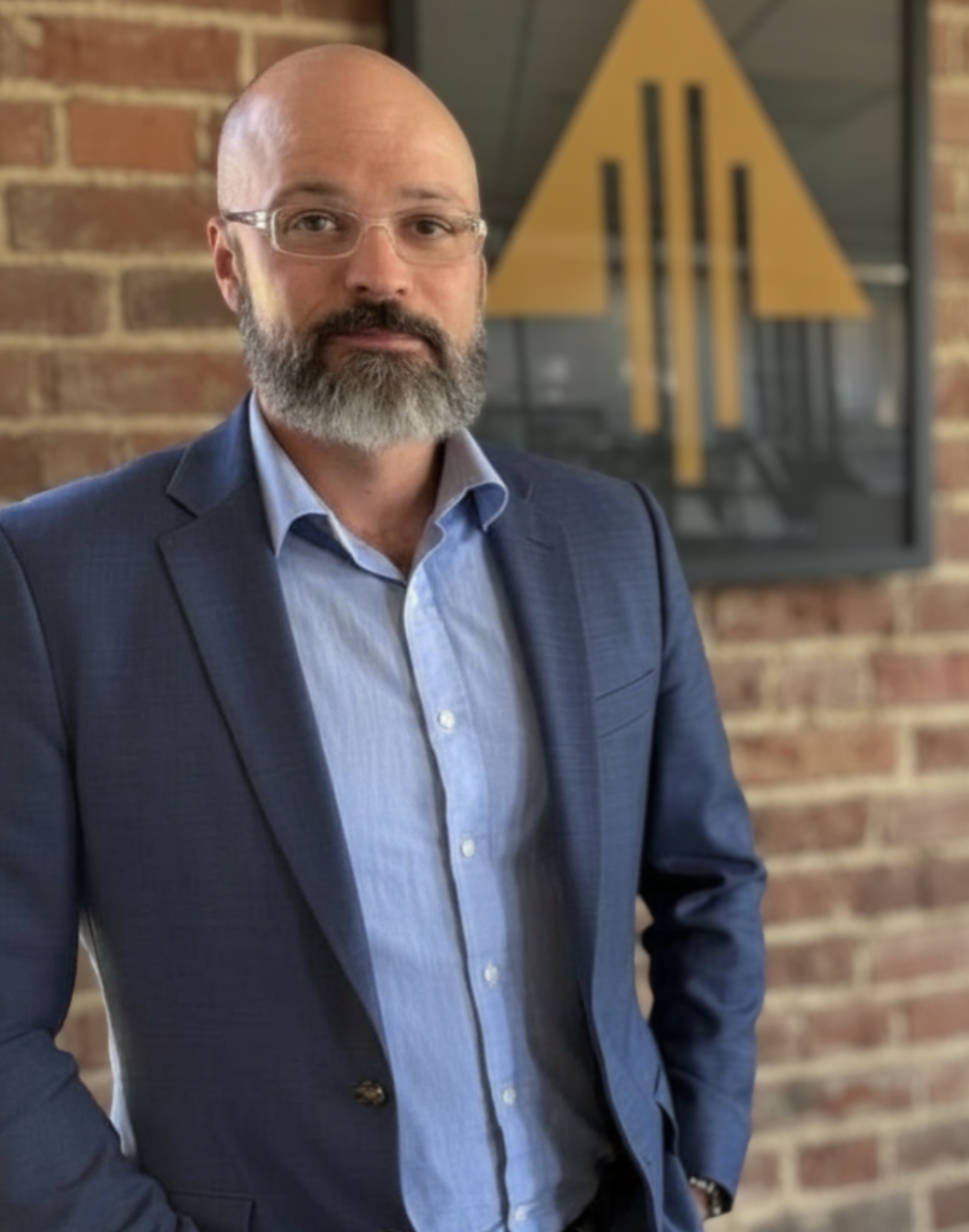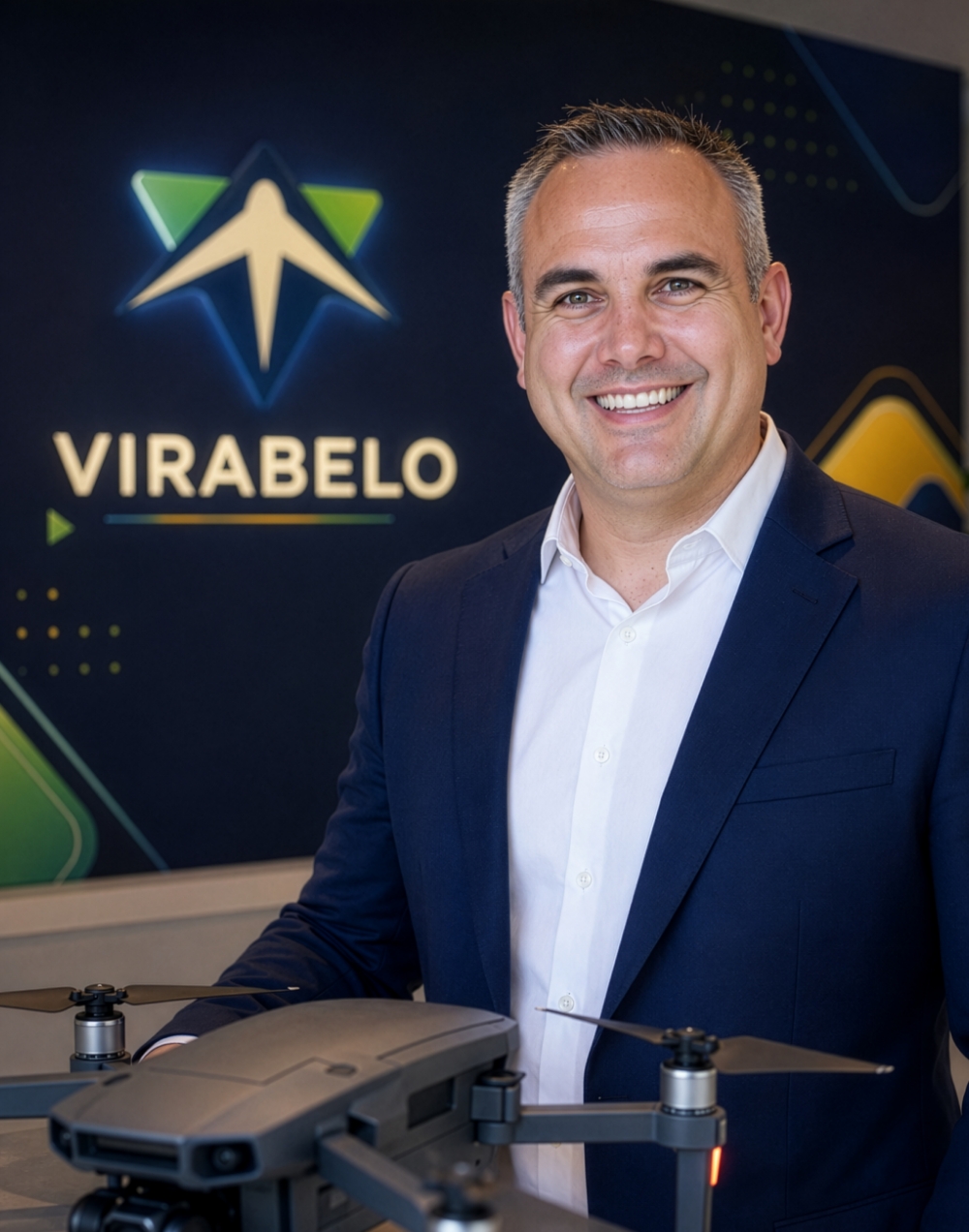
When Louis Trebaol looked at the future of commercial drones, he saw a looming gap between the rapidly advancing technology and the systems companies would need to operate safely and legally at scale.
That realization led him to launch Virabelo in 2024, putting his experience at BAE Systems and other tech companies to work developing autonomous flight software designed to help commercial drone operators navigate the next era of aviation.
Trebaol made the leap into entrepreneurship full-time in early 2026 after recognizing that a major industry shift was under way. “I was working at a business doing drone operations and it became clear that a lot of companies aren’t going to make the pivot to this new world on their own,” Trebaol says. “It became inevitable that there was going to be this gap.”
A veteran of the drone industry with experience dating back to 2004, Trebaol has watched unmanned aircraft evolve from niche military tools into a technology that’s about to become part of everyday life.
“After 10 years of the FAA having a framework for commercial drone operations, they’re now creating the infrastructure for autonomous operations at scale,” he says. “We are going to start seeing drones more in our lives.”
That future extends far beyond package delivery. Trebaol envisions autonomous systems supporting industries ranging from infrastructure inspection to security and property monitoring.
The journey, however, has not been without challenges. “Startups come with scars and bruises,” Trebaol says. Like many founders, he faces the challenge of building a company before revenue catches up with ambition. Virabelo is pursuing funding through defense, NASA, National Science Foundation and Small Business Innovation Research programs while continuing to bootstrap operations.
What made the effort possible is the rapid advancement of artificial intelligence. Trebaol says AI tools have fundamentally changed what a small startup can accomplish. In some cases, AI subscriptions costing only a few hundred dollars per month can replace work that once required teams of engineers. “If you don’t need to bring on 100 people for a startup to make progress and gain traction, every startup won’t need to be in Silicon Valley anymore,” he says. “The capital becomes more mobile.”
Virabelo’s short-term goal is to launch its platform when the FAA’s new rules become active and help commercial operators prepare for compliance. Long term, Trebaol wants the company’s software to become the default platform for autonomous aviation, helping organizations safely manage fleets of drones beyond the visual line of sight with far fewer human operators.
“The real commercial viability is going to be one operator managing 25 drones simultaneously,” he says. “To get to that point, you’re going to need layers of autonomy.”