
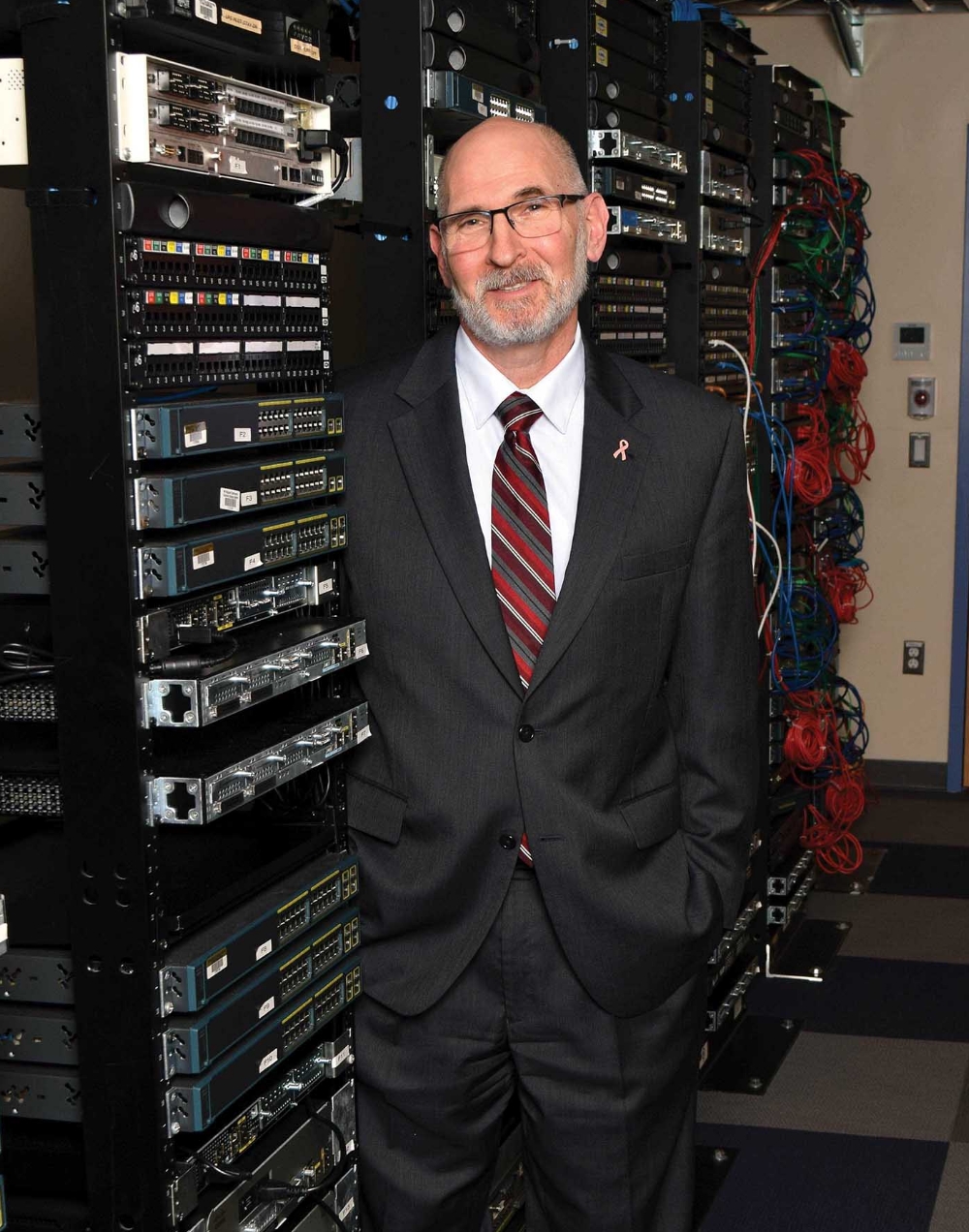
The Community College System of NH (CCSNH), headquartered in Concord and led by Chancellor Dr. Mark Rubinstein, serves as a critical link between education and the state’s workforce needs. With 800 faculty and staff and 700 adjunct faculty across seven colleges statewide, CCSNH enrolls more than 25,000 students annually, offering accessible, affordable pathways to careers and continued education.
Rubinstein describes the system’s role as a bridge between “the ambitions and talent of students and the needs of the state,” noting programs are designed to reflect the economic realities of different regions. “We’re always trying to match the needs of our students with those of local employers,” he says, adding those needs vary across NH’s industries and communities.
Founded in the post-World War II era as two trade schools, CCSNH has evolved over 80 years into a comprehensive system offering associate degrees, certificates, dual enrollment, workforce training, and apprenticeships. Its mission centers on delivering high-quality, student-focused education that strengthens both individual opportunity and the broader economy.
“Among the best things we do are preparing our students for critical roles in New Hampshire’s current workforce and teaching people how to learn and providing them with the tools needed to navigate a rapidly changing world,” says Rubinstein, who will retire as chancellor in August after leading the system for five years.
That evolution has required CCSNH to adapt continuously, expanding offerings in fields ranging from healthcare to automotive technology and advanced manufacturing.
“What distinguishes CCSNH is its deep, authentic partnership with the business community. Employers are not peripheral stakeholders—they are collaborators,” says Michael Skelton, president and CEO of the Business & Industry Association.
Rubinstein emphasizes that today’s students often balance work, family, and other responsibilities. “Our students are unique, and our approach has to align with the complexity of their lives and the changing needs of the economy,” he says. With the rise of artificial intelligence expected to reshape the workforce, he adds, “there will be a redeployment of talent and energy. We need to prepare students for jobs that don’t yet exist.”
The system’s impact is also evident in affordability. A state investment of $3 million helped generate $15 million in tuition savings for students and families last year, significantly expanding access to higher education.
Join Business NH Magazine, in partnership with the NH Association of Chamber of Commerce Executives, in honoring the 2026 Business Leader of the Year, Nonprofit Leaders of the Year, Businesses of the Year, and Nonprofit of the Year.
This prestigious business awards luncheon brings together leaders, innovators, and executives from across the state for an inspiring event filled with recognition, networking, and celebration. Don’t miss your chance to be part of this special occasion—secure your spot today and connect with excellence in business and leadership in the community.
Register now and be part of the celebration!